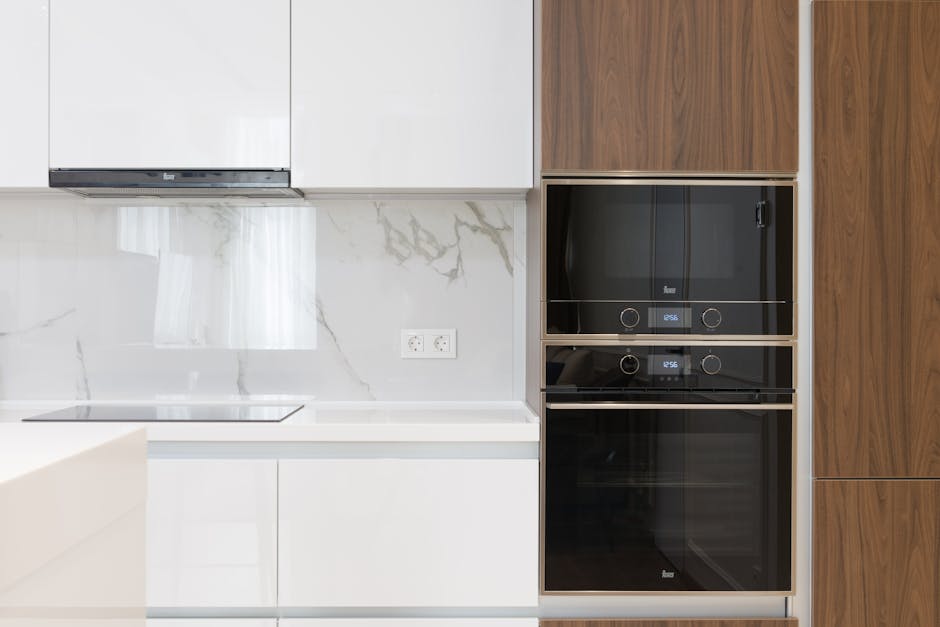
Oven Cleaning Services in London

Our oven cleaning services in London are focused on restoring built-in ovens, ranges and related cooking appliances to a cleaner, more usable condition. We work with the parts that collect baked-on residue most quickly, including the cavity, shelves, trays, door glass and removable fittings, so the finished clean feels thorough rather than cosmetic. If you want a careful clean that supports everyday cooking, our service is designed around practical results and clear communication from the start.
We also cover neighbouring kitchen items where they are part of the same appliance area, including hobs, extractor surfaces and adjacent splash zones when these are requested alongside the main oven clean. That makes it easier to tackle the grime that tends to travel together in busy kitchens. If you are comparing options, take a moment to review our oven cleaning services and the broader choices on kitchen cleaning before asking for a quote.
Because ovens vary in size, fuel type and condition, a proper quotation depends on the type of appliance, the level of build-up and any removable parts that need separate attention. A brief description of the oven, plus a few notes about access and the cooking equipment involved, is usually enough to start the conversation. We keep the process straightforward, so you can request a quotation without having to over-explain the job. Please get in touch when you are ready to compare the work you need with the service we provide.
What our oven cleaning covers
Our work centres on the main oven chamber and the components that most often affect heat performance and day-to-day appearance. That typically includes the interior walls, roof and floor of the cavity, racks, shelves, side supports, removable panels where applicable and the oven door, including the glass that often shows the most visible grease. We also pay attention to the seals and edges that collect residue and can be difficult to wipe properly during routine cleaning.
Where the appliance design allows it, a careful clean can be tailored to the layout of fan-assisted ovens, double ovens and compact ovens. Some appliances have detachable parts that benefit from separate soaking or hand cleaning, while others are best treated in place to avoid unnecessary wear. We do not promise every mark will vanish, because heavy staining or long-term wear can limit what cleaning alone can achieve, but the aim is always a cleaner and more presentable finish.
For customers who want to understand the broader range of services around the home, our domestic cleaning page explains how general household cleaning differs from specialist appliance work, while deep cleaning covers more intensive cleaning tasks that reach beyond the usual weekly routine. Those pages can help you decide whether an oven clean should stand alone or sit within a wider plan for the property.
How we approach built-in ovens and cooking appliances

Built-in appliances need a methodical approach because their finishes, controls and seals can be more delicate than they first appear. We work carefully around the door mechanisms, handle areas and ventilation points, using the right sequence so loosened residue is removed rather than moved around. This is especially useful when the oven has a layered build-up from regular roasting, baking or spillovers that have been allowed to harden over time.
Our aim is to leave the appliance ready for regular use without leaving excess mess behind. That means the attention is on both visible areas and the spots that affect how the oven feels when opened, closed and cleaned next time. If you are weighing up an organised kitchen service, home cleaning can be a useful companion page, while one-off cleaning suits customers looking for a single intensive visit rather than a standing arrangement.
Some ovens present limitations that are worth understanding before booking. Burnt-on enamel damage, scratched glass, faulty seals or worn coatings are not solved by cleaning alone, and heavily neglected appliances may need realistic expectations about the end result. We treat these issues as part of the quotation conversation, so the scope remains sensible. Clear information helps us price the work fairly and helps you judge whether the clean is the right next step.
Services for kitchens, hobs and nearby surfaces

Although the oven is the main focus, many customers also ask for cleaning around the surrounding cooking area. That may include the hob surface, extractor hood exterior, splashback, control knobs and adjacent cabinet faces where grease tends to settle. Tackling these related surfaces at the same time gives the kitchen a more even appearance and stops a newly cleaned oven from sitting inside a visibly tired area.
Where a kitchen needs more than appliance attention, a combination of specialist and general cleaning can be helpful. Our bathroom cleaning and spring cleaning pages show other practical ways of structuring a broader home clean, especially if the booking is part of a seasonal refresh. For properties with more than one cooking appliance, it can also be sensible to request a quotation that covers the whole kitchen zone rather than each item separately.
When you are preparing to ask for a quote, it helps to note whether the oven is gas, electric or dual fuel, whether there is a second oven, and whether the hob or extractor should be included.
- identify the appliance type
- mention any double-oven layout
- say if the hob or hood should be included
- note anything that limits access
Why customers ask for a specialist oven clean
Oven cleaning is different from routine wiping because cooking residue often hardens in layers, especially around fan covers, shelf runners and the base of the cavity. A specialist clean focuses on those built-up deposits with more time and attention than a typical household task allows. That makes the appliance easier to keep on top of afterwards and can improve the overall look of the kitchen without replacing the oven itself.
Customers also ask for this service when they want to prepare a property for guests, a tenancy handover or a general refresh before a busy period of use. In those cases the work is usually less about transformation and more about bringing the appliance up to a presentable standard. If you want to compare different service levels, take a look at end-of-tenancy cleaning and after-builders-cleaning, both of which involve more extensive cleaning contexts than a single appliance clean.
We keep the scope centred on the item that needs attention, so you are not pushed into extras that do not suit the job. That makes the service easier to understand and easier to quote. If you are simply looking for a reliable appliance clean in London, this page should give you a clear sense of what is included and how to ask for a quotation in a sensible, no-fuss way.
Oven types, access and practical limits

Not every oven is built the same, so the method and timing can change from one home to another. Single ovens, double ovens, range-style appliances and compact units all present slightly different layouts. The cleaning plan has to respect those differences, particularly where doors open in different ways, trays are fixed or access around the appliance is tight. That practical variation is one reason a quotation is easier to provide when the appliance type is described clearly.
Access matters too, especially in homes with small kitchens, fitted furniture or cooking appliances installed close to walls and worktops. We can only work within the access that is available, and extremely restricted spaces may limit how much of the surrounding area can be included. If your property also needs cleaning in living or sleeping areas, pages such as house cleaning and kitchen cleaning can help you see how appliance work fits into a wider domestic plan.
Some ovens are fitted with specialist coatings or have ageing parts that need a careful touch. The goal is to clean responsibly rather than force a result that could damage the appliance. Where something cannot be removed safely, we work around it and explain the limitation clearly. That approach keeps the service honest and helps protect the condition of the oven as well as its appearance.
Quote details and booking information
A useful quotation starts with the essentials: the appliance type, the number of ovens, whether there is a hob or extractor to add, and any obvious issues such as heavy grease, burnt residues or awkward access. You do not need to write a long message, but a few clear details will help us understand the job. If there are photographs available, they can also help us see the condition more accurately, although they are not always essential.
When a quotation is requested in a concise way, it is easier to match the scope to the work rather than guessing at a price. That matters because the time involved can change with appliance size and build-up, and because some jobs are more straightforward than others. If you are comparing related home services, pricing and quotes gives a useful point of reference, while contact us is the place to start if you are ready to send the details and ask for a quotation.
Two simple steps usually keep things moving: first, note what needs cleaning; second, tell us when you would like the work considered. We can then respond with a quotation based on the information supplied. Clear details make the process easier for everyone, and they help avoid misunderstandings about what is included. If you are ready, please request your quotation now.
Supporting domestic cleaning around the oven area

Oven cleaning often forms part of a broader domestic care plan, especially when kitchens are used heavily throughout the week. Grease can spread to the wall tiles, cupboard fronts and handles around the cooking area, so it is sensible to think about the oven as one part of the kitchen rather than an isolated item. That said, a specialist appliance clean can still stand alone when only the oven needs attention.
For homes that need more than one area dealt with, our domestic cleaners and house cleaners pages may be useful because they describe the wider household support available through the site. They can help you decide whether to book just the appliance work or combine it with a fuller clean. Either way, the quotation should reflect the exact combination of tasks rather than a broad estimate built on assumptions.
It is also sensible to think about timing. Some customers prefer the oven clean before a family event, while others arrange it after a period of heavy cooking or as part of seasonal maintenance. The service can be planned around the appliance and the household routine without creating unnecessary disruption. If you want the work priced properly, send a clear enquiry and ask for a quotation that matches the appliance and the scope you have in mind.
About London
London is a city of many layers, shaped by the River Thames, centuries of growth and a dense pattern of streets, neighbourhoods and civic centres that spread far beyond the historic core. The old City sits beside Westminster, yet much of modern London developed through separate villages, estates and transport corridors that were gradually absorbed into the expanding metropolis. That long process still shows in the mix of medieval remnants, Georgian squares, Victorian terraces and twentieth-century redevelopment seen across the capital. The river remains one of the city’s defining features, crossed by a succession of bridges that connect the northern and southern banks and frame some of the most recognisable views. Parks such as Hyde Park, Regent’s Park and Hampstead Heath provide large open spaces within the urban fabric, while smaller commons, churchyards and garden squares offer quieter pockets of green. London also contains major museums, galleries, theatres and concert halls, from the British Museum and the National Gallery to the Southbank Centre and the West End’s long-established stages. Distinct districts such as Covent Garden, the South Bank, the Docklands and the Royal Docks reveal how trade, culture and regeneration have all shaped the city in different ways. Transport is equally central to its identity, with Underground lines, rail termini, buses and river services tying together an area that functions as both a single capital and a collection of highly local places. Architecture ranges from St Paul’s Cathedral and the Palace of Westminster to tower blocks, warehouses, market buildings and contemporary waterfront developments, creating a cityscape that changes noticeably from one borough to the next. Even so, London retains a strong sense of local variation, where streets, squares and landmarks can feel distinct despite being part of the same vast urban whole.
Additional cleaning support for larger households
Where a property needs more than a single appliance clean, it can be sensible to combine services so the work is organised around one visit or one clear plan. We keep the oven clean as the focal point, but a larger household may also want help with floors, surfaces or a fuller property clean. That is where related domestic pages can provide context, particularly if you are planning work across multiple rooms rather than only the kitchen.
For example, cleaning company offers a broader overview of the kinds of domestic and specialist cleaning services shown on the site, while office cleaning and house clearance demonstrate that the business also covers very different cleaning needs. Those pages are useful only if they reflect your wider requirements; otherwise, the oven service can remain focused and self-contained. The quotation should always follow the work you actually want carried out.
Customers often prefer a clear distinction between one-off specialist work and routine upkeep. That is perfectly reasonable, because each has a different purpose. A dedicated oven clean is aimed at the appliance itself, while general cleaning handles broader surfaces and lived-in areas. Asking for the right combination helps ensure the quotation is practical, the scope is transparent and the result is aligned with your expectations.
Request a quotation for oven cleaning
When you are ready to compare options, send the appliance details and ask for a quotation that reflects the condition of the oven, the number of items involved and any extra kitchen surfaces you want included. If you are unsure what to mention, keep it simple: oven type, visible build-up, access and whether you need any related surfaces cleaned as well. That is usually enough for a useful response.
For customers who like to review a few pages first, the site’s oven cleaning and about us pages can add context, but the main point here is straightforward: if the oven needs attention, we can help you ask for the right work and the right quotation. A brief enquiry is enough to start the process, and there is no need to write a long explanation if you do not have one.
Please get in touch today and request your quotation for oven cleaning in London. If you already know the type of appliance and the level of cleaning you need, that is the best place to begin.